AI
I Built a Vector Engine in Rust. Then I Started Wondering Where Elixir Had Gone.
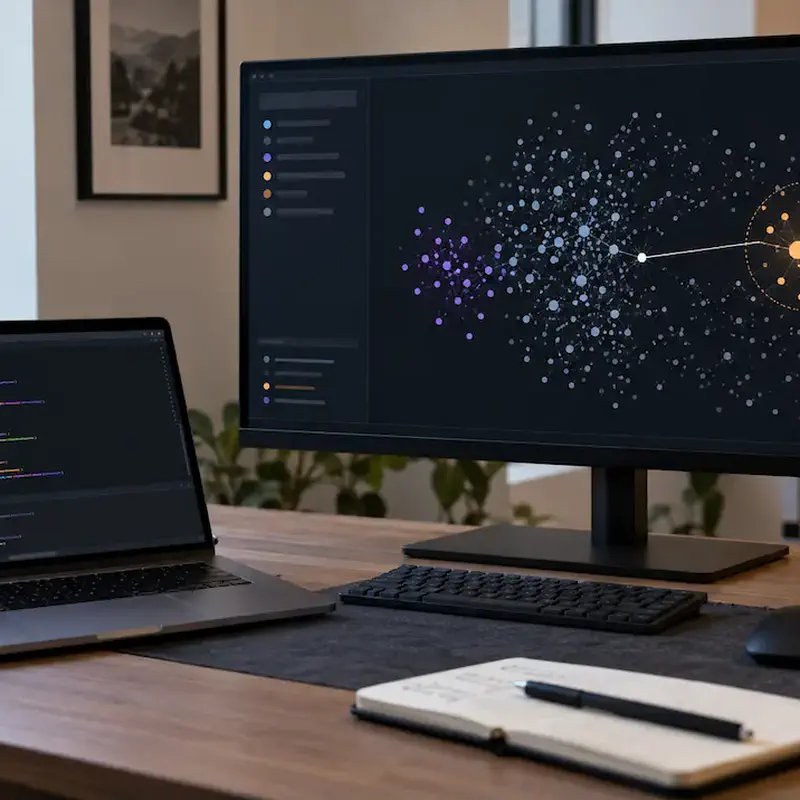
Why I moved Vettore's canonical records out of Rust and into ETS, what it changed for HNSW recovery, and where binary vector search loses accuracy.
WhatsApp Had Acknowledged the Message. My Client Kept Waiting.
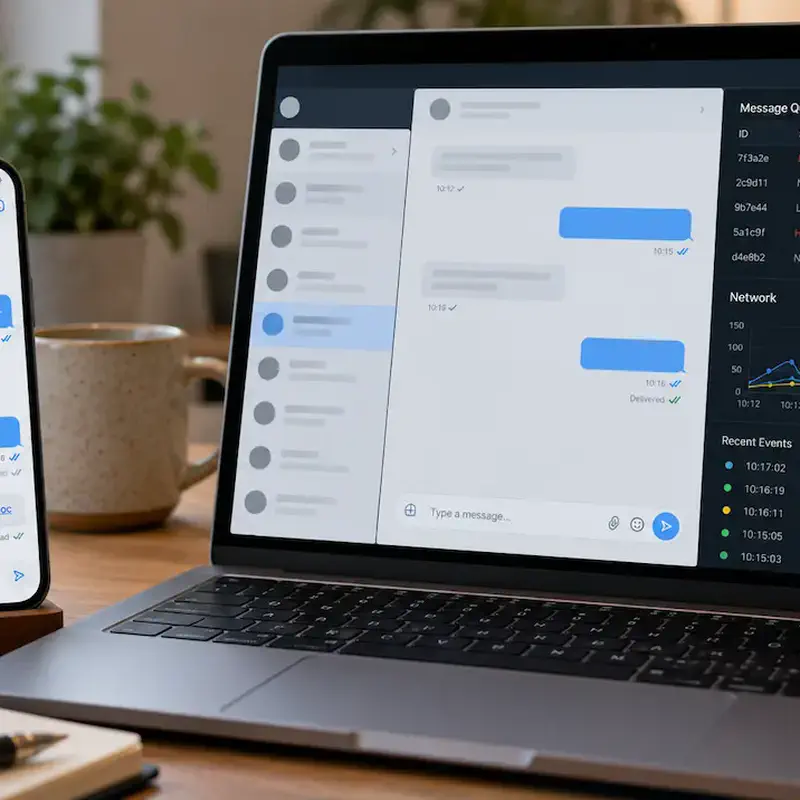
An actual ACK regression, two WhatsApp addressing identities, a priority queue built with Erlang, and the limits of backpressure in a GenServer.
I Wanted an AI-Managed Blog. I Ended Up Using Git as the Database.
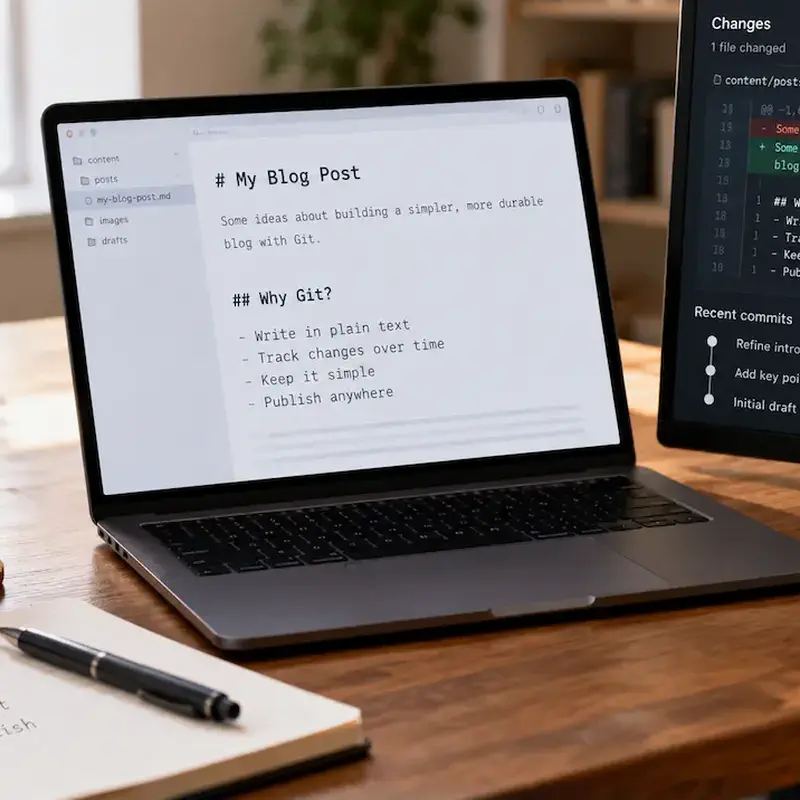
Why ExBlog keeps articles in Git and serves them from ETS, and how it handles atomic index replacement and concurrent readers in Phoenix.
I Taught My Agents to Remember. The Hard Part Was Keeping Deleted Memories from Coming Back.
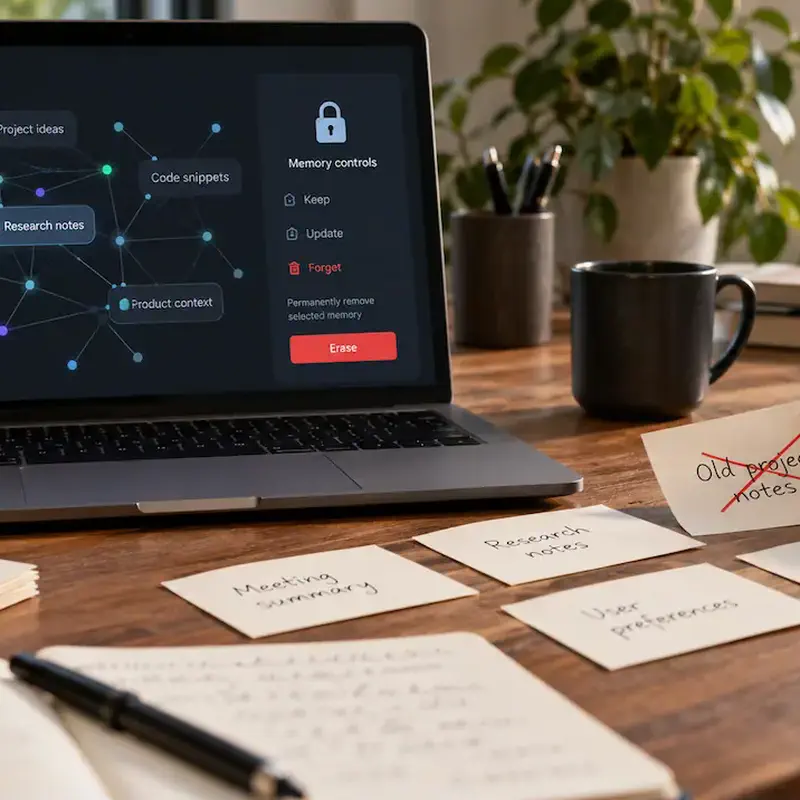
Tombstones, append-only memories, physical deletion and an erasure-fence regression test for concurrent writes in Spectre Mnemonic.
I want a genie I can take apart

A post on X brought me back to an idea I’ve been pursuing for a while: an intelligence made of parts that can come together when needed, without automatically claiming all the power.
The next web could be a network of agents giving each other tasks
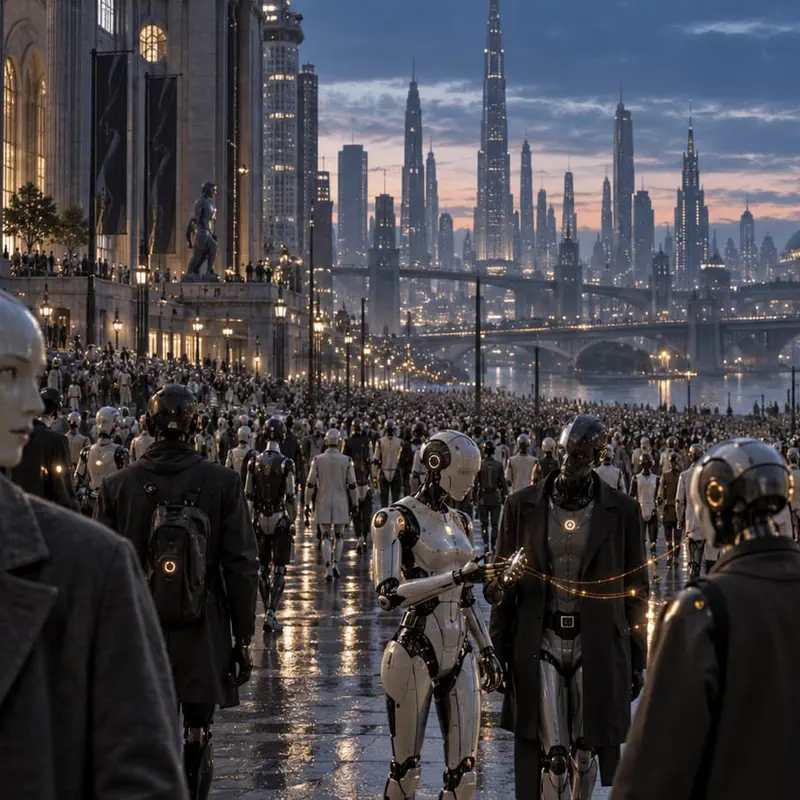
From web protocols to links to intents, temporary applications, and groups of agents. I am imagining a network where collaboration, delegation, and authority remain verifiable.
It Is Not Enough for an AI Agent to Know When to Say No

The OpenAI and Hugging Face incident shows why agent security cannot depend only on model behavior. Through Spectre, the Governed Act Model, and a possible holonic extension, I am trying to find a better boundary between intelligence and power.
I Wanted an AI Agent That Wouldn’t Break Things. I Ended Up Building a Framework

I wanted to build an AI agent for a real project. Somewhere between prompts, policies, and real edge cases, I ended up building an open source framework in Elixir.
How Spectre Works and Why I Chose Kinetic Instead of MCP

How Spectre, Kinetic, Lens, Mnemonic, Directive, and Pulse fit together, why Kinetic handles local tool planning instead of MCP, and why each library remains independent.