Elixir
Can a Couple of Rows in Postgres Really Cost This Much?

I got tired of paying for managed PostgreSQL, moved my projects onto Hetzner, and added a LiveView dashboard to Supavisor. A practical guide to Ecto, pooling, SSH, deployment, and migrations.
I Built a Vector Engine in Rust. Then I Started Wondering Where Elixir Had Gone.

Why I moved Vettore's canonical records out of Rust and into ETS, what it changed for HNSW recovery, and where binary vector search loses accuracy.
WhatsApp Had Acknowledged the Message. My Client Kept Waiting.

An actual ACK regression, two WhatsApp addressing identities, a priority queue built with Erlang, and the limits of backpressure in a GenServer.
I Wanted an AI-Managed Blog. I Ended Up Using Git as the Database.
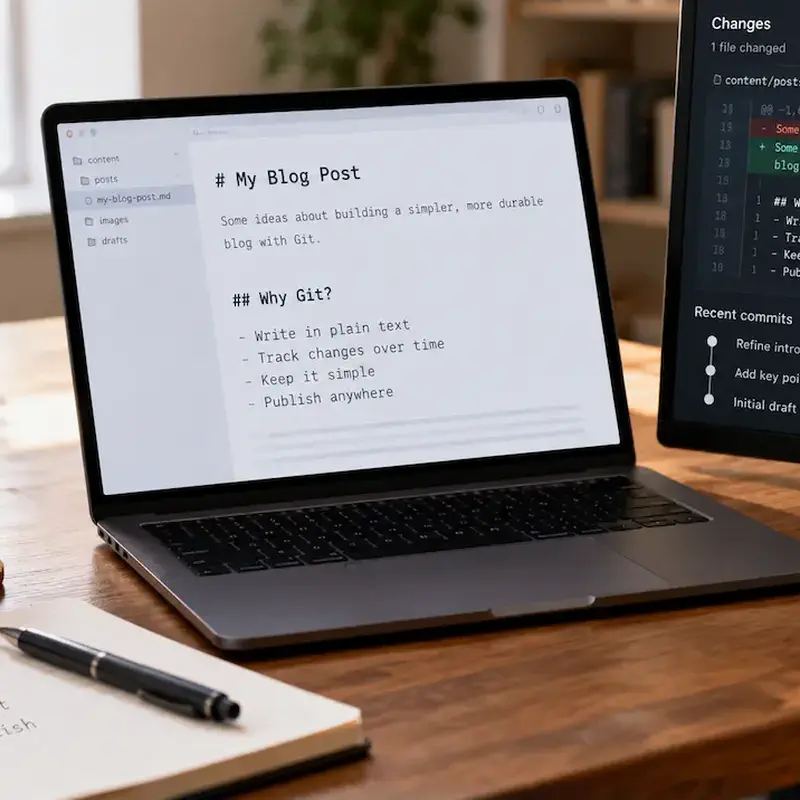
Why ExBlog keeps articles in Git and serves them from ETS, and how it handles atomic index replacement and concurrent readers in Phoenix.
I Taught My Agents to Remember. The Hard Part Was Keeping Deleted Memories from Coming Back.

Tombstones, append-only memories, physical deletion and an erasure-fence regression test for concurrent writes in Spectre Mnemonic.
I Wanted an AI Agent That Wouldn’t Break Things. I Ended Up Building a Framework

I wanted to build an AI agent for a real project. Somewhere between prompts, policies, and real edge cases, I ended up building an open source framework in Elixir.
How Spectre Works and Why I Chose Kinetic Instead of MCP

How Spectre, Kinetic, Lens, Mnemonic, Directive, and Pulse fit together, why Kinetic handles local tool planning instead of MCP, and why each library remains independent.
Spectre Mnemonic: Memory for Agents That Actually Forgets Correctly

The third article in the Spectre series introduces Spectre Mnemonic, an Elixir-first memory layer for agents with scoped recall, lifecycle governance, observations, mental models, and forgetting.
Spectre Lens: Giving Agents Eyes Without Handing Them the Whole Browser

The second article in the Spectre series introduces Spectre Lens, an Elixir-first browser perception layer that turns pages into agent-readable context.