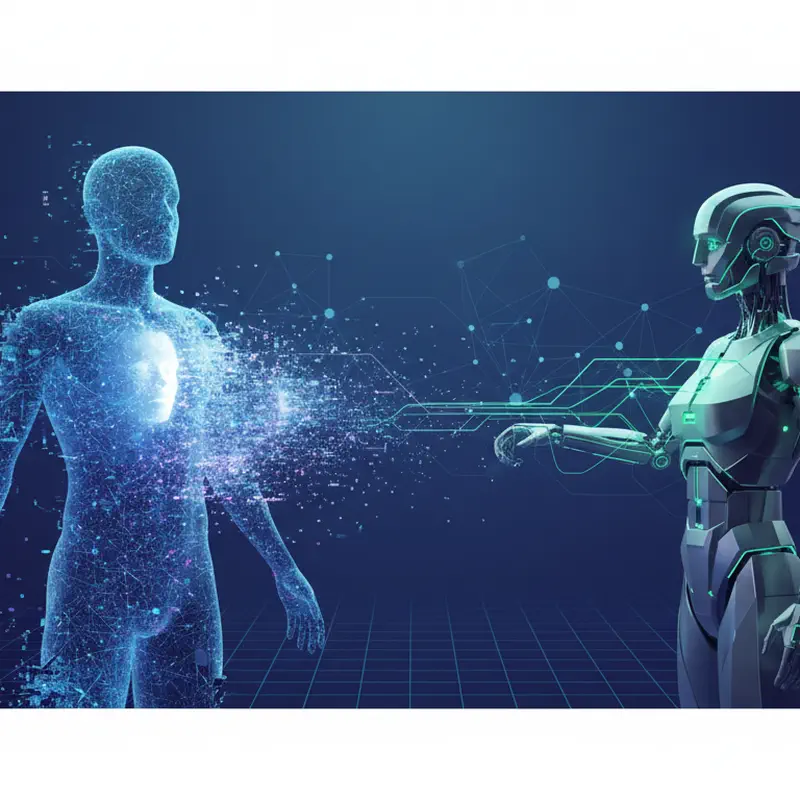

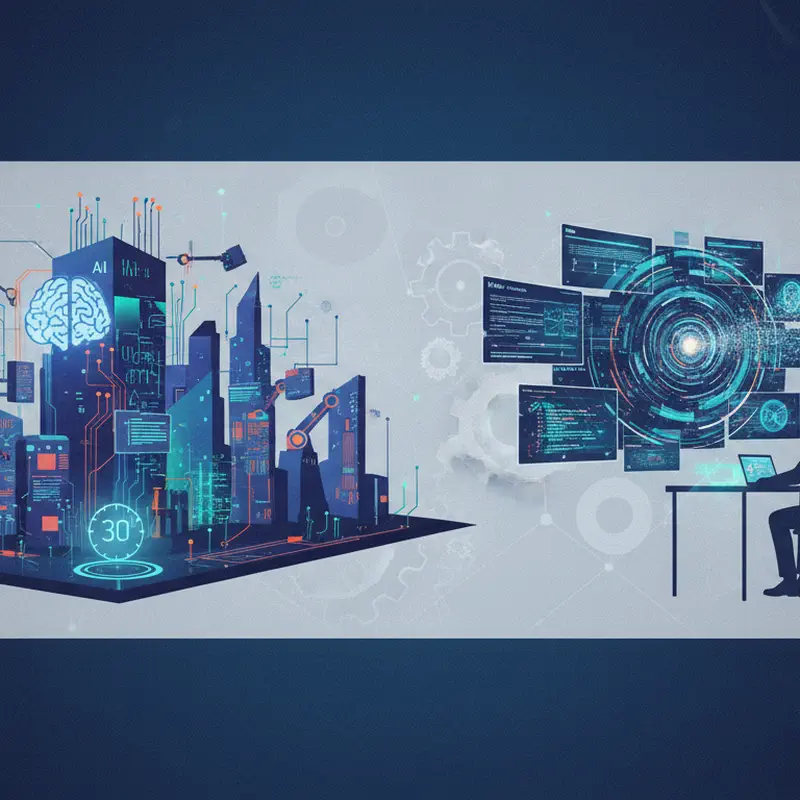
John Maynard Keynes, nearly a century ago, envisioned a future where technological progress would dramatically shrink the workweek, perhaps to just fifteen hours. He believed that by 2030, society would have largely overcome the problem of scarcity, freeing people for more meaningful pursuits. Today, we stand on the cusp of that year, and while living standards have indeed risen significantly, the forty-hour workweek persists as a stubborn norm for many. Enter artificial intelligence. Proponents argue AI could finally deliver on Keynes's promise, unleashing unprecedented productivity gains that make a shorter workweek not just possible, but inevitable. Investment banks project trillions in global GDP growth from AI, and some leaders even suggest a three-and-a-half-day workweek could become standard in developed nations. This vision is compelling: machines handle the tedious tasks, and humans reclaim their time for creativity, family, and personal growth.
Yet, the path from theoretical productivity to universal leisure is rarely straightforward. History shows that technological advancements often redistribute work and wealth in unexpected ways. While AI certainly holds the power to automate many tasks, simply equating automation with a shorter workweek for everyone overlooks a complex web of practical challenges, ethical dilemmas, and inherent limitations of the technology itself. We must look beyond the hype and consider what actually goes wrong when AI integrates into the daily fabric of our working lives.
The Automation Illusion: Beyond Raw Productivity
AI's arrival is hailed for boosting efficiency, but this often creates new kinds of work rather than simply eliminating old ones. Consider the pervasive issue of AI hallucinations. Large language models, for instance, confidently generate incorrect or nonsensical information. If an AI assistant drafts a critical report, a human must still meticulously fact-check every claim, verify sources, and correct errors. This isn't less work; it's a shift from creation to intensive validation. The cost of an AI mistake can be substantial, from lost revenue to damaged reputations, meaning the 'checking' overhead can easily negate perceived efficiency gains, making the workweek feel just as long, but with added stress.
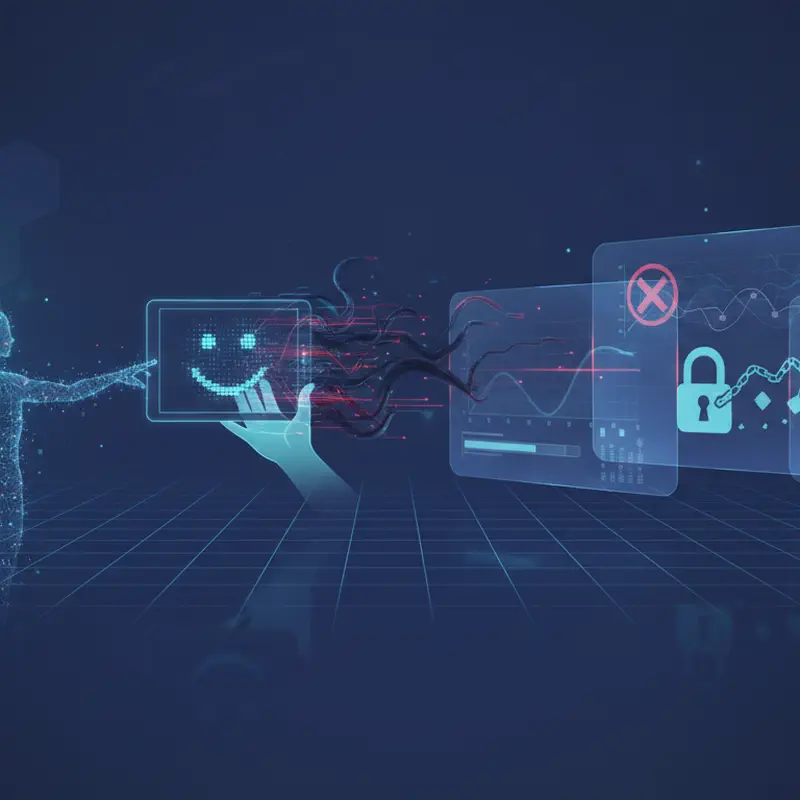
Beyond outright errors, AI also brings bias and security vulnerabilities. Models trained on incomplete or skewed data perpetuate and amplify existing human biases, leading to unfair outcomes in hiring, lending, or even criminal justice. Correcting these biases demands significant human labor: auditing algorithms, curating fairer datasets, and implementing ongoing monitoring. This is complex, specialized work that did not exist before. Similarly, AI systems introduce novel security risks like prompt injection, where malicious input manipulates the AI, or privacy risks where sensitive data might be inadvertently exposed through model outputs. Protecting against these threats requires new expertise, constant vigilance, and robust security protocols, adding to an organization's workload rather than reducing it.
Overreliance and Skill Atrophy: The Human Cost
A seductive aspect of AI is its ability to handle complex tasks quickly. However, this convenience carries a significant hidden cost: skill atrophy. As we delegate more cognitive work to AI, human proficiency in those areas can diminish. If an AI manages complex data analysis, how many human analysts will truly retain the deep understanding required to identify its subtle errors or innovate beyond its current capabilities? This overreliance creates a fragile system. When the AI inevitably fails—due to unforeseen circumstances, data corruption, or simply hitting its limitations humans might lack the fundamental skills or contextual knowledge to intervene effectively. This doesn't shorten the workweek; it makes critical failures more likely and harder to resolve.
A shorter workweek sounds like freedom, but if AI-driven productivity gains primarily consolidate wealth and replace jobs without robust social safety nets, it risks creating widespread precarity, not leisure. The work doesn't disappear; it simply becomes inaccessible for many, while a few manage the machines.
The danger is not just that human skills fade, but that our capacity for critical thinking and problem-solving diminishes across the board. If AI becomes the primary source of information, how will individuals discern misinformation or deepfakes, which AI can generate with alarming realism? The burden of proof shifts, requiring a new level of digital literacy and skepticism. This can lead to increased work in verification and fact-checking, or worse, a society increasingly unable to distinguish truth from fabrication, leading to societal instability that far outweighs any perceived gains in leisure.
The Digital Workforce: Surveillance and Power Shifts
The workplace impact of AI extends beyond job displacement, which itself is a major concern. Even for those who remain employed, AI can usher in an era of heightened surveillance and control. Employers can use AI to monitor productivity metrics, track employee activity, and analyze performance with unprecedented granularity. This could intensify performance pressure, making the work experience more demanding, not less. The focus shifts from human well-being to machine-optimized efficiency, eroding autonomy and potentially leading to burnout, even in a theoretically shorter workday. The "infinite workday" described by some analysts, where work bleeds into personal time, could be exacerbated by AI-driven demands for constant availability and optimization.
Furthermore, AI introduces significant accountability gaps. When an AI system makes a catastrophic error in medical diagnosis, financial trading, or critical infrastructure management who is responsible? Is it the developer, the deployer, the data provider, or the human who approved the AI's recommendation? This ambiguity creates legal and ethical quagmires, forcing organizations to dedicate more resources to incident response, legal review, and establishing clear lines of accountability. This new layer of administrative and legal work further demonstrates how AI, rather than freeing up human time, often creates complex new demands that reinforce, rather than reduce, the existing work structure.
Realism in Implementation: Bridging the Gap
Achieving a truly shorter, more equitable workweek through AI requires deliberate policy, human-centric design, and active risk mitigation, not passive acceptance. It demands recognizing that AI is a tool, not a panacea. Organizations must implement strict human oversight for all critical AI applications, ensuring that human experts review, test, and validate AI outputs before deployment. This means investing in training to upskill workers in AI literacy, critical evaluation, and ethical considerations, rather than simply replacing them. Policy frameworks are also essential to address issues like bias, privacy, and accountability. Clear guidelines on data governance, algorithm transparency, and legal responsibility are necessary to prevent AI from becoming a legal and ethical liability.
Ultimately, the forty-hour workweek's future isn't solely a technological question; it's a societal choice. If we prioritize equitable distribution of AI's benefits, robust worker protections, and proactive management of its risks, we might move towards Keynes's vision. But if we allow AI deployment to be driven solely by profit motives, without regard for its failure modes, ethical challenges, and human impact, we risk replacing one form of labor compulsion with another, potentially more insidious, kind of digital precarity.

Vext Chat
WhatsApp & Telegram Automation. Upload an Excel or CSV file, paste a Zapier webhook, connect via MCP, plug in HubSpot, Zoho, or GoHighLevel, sync contacts from Google Sheets, or call the REST API directly. Any source can trigger a send - no complex setup, no code required for most workflows. Just connect and go.