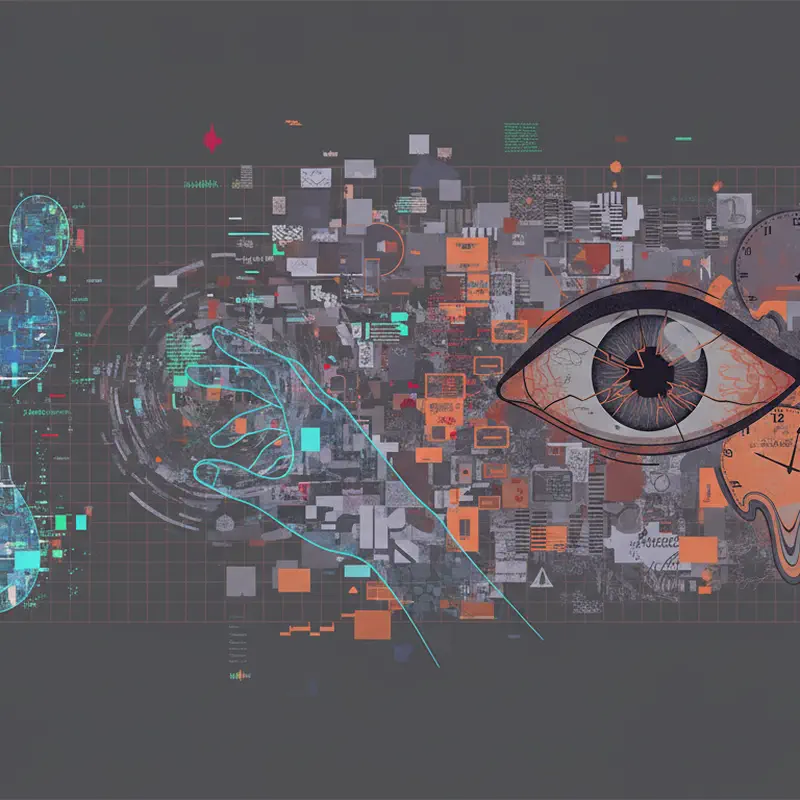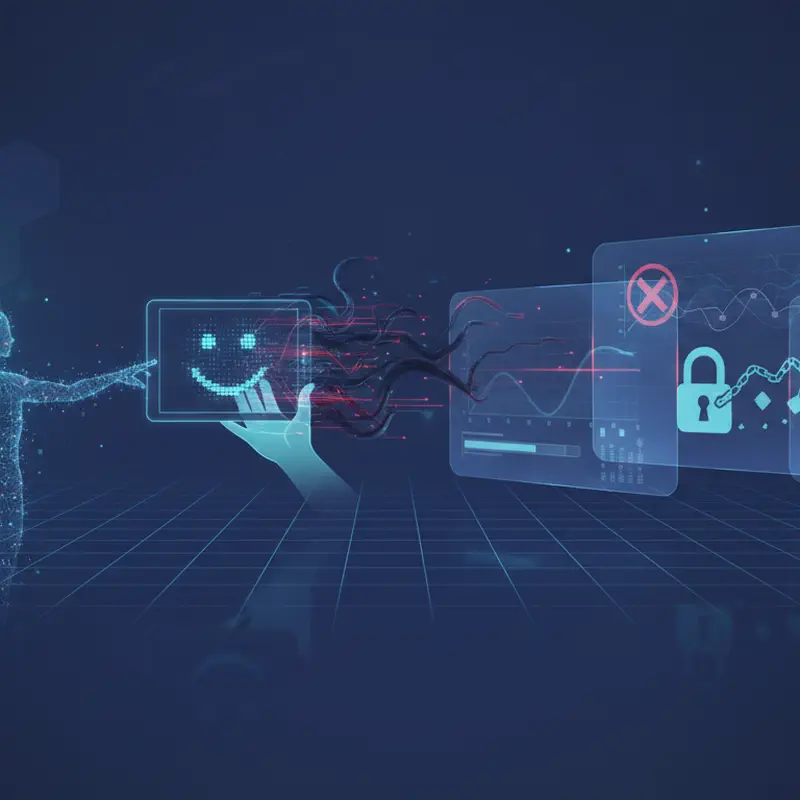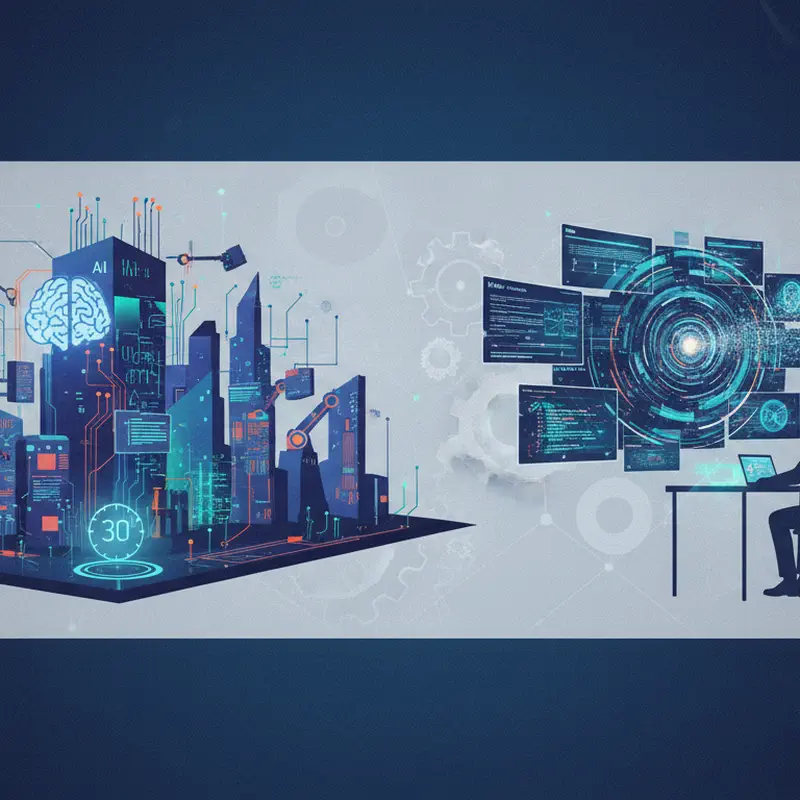

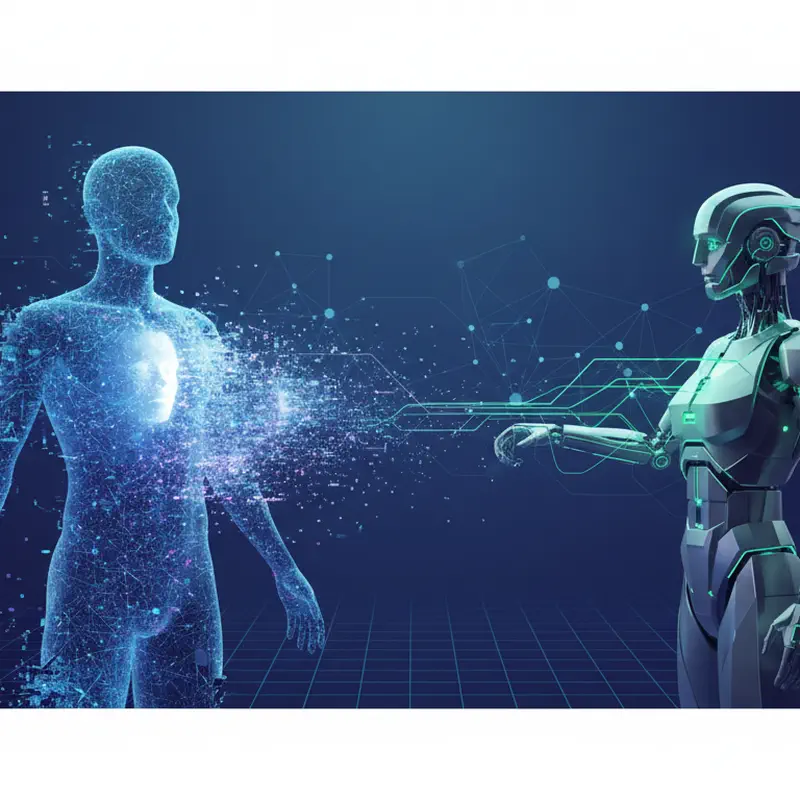
We're living in a fascinating time, aren't we? AI is everywhere, promising to make our lives easier, smarter, and more efficient. But as this digital genie grants wishes, it's also collecting a vast amount of something incredibly personal: you. Your likeness, your voice, your style, your digital footprint, it’s all becoming fuel for a new kind of machine.
The Invisible Harvesters and Your Digital Self
Let's be frank, the internet has always been a data magnet. Every click, every post, every interaction leaves a trace. But with the explosion of generative artificial intelligence, especially large language models (LLMs), this data collection has taken on a whole new dimension. These LLMs are powerful AI systems, trained on unfathomable amounts of text and data, built to understand, generate, and process human language. Think of them as incredibly sophisticated mimic machines, learning from the entirety of the internet's conversations and creations.
The problem, or rather, the big consideration, is that a huge chunk of this training data includes *us*. Our public posts, our photos, our video snippets, our unique turns of phrase. It’s not just abstract information; it's the very fabric of our digital identities. This isn't necessarily a sinister plot. Developers don't always set out to "steal" your face. Often, they’re just ingesting everything they can get their digital hands on, often without explicit, granular consent from every individual contributor. It's like sweeping up leaves in a forest, not realizing some of those leaves have tiny, unique signatures on them.
The result? AI models that can generate images in your style, mimic your voice, or write text that sounds eerily like you. It's a testament to their power, certainly, but it also raises some thorny questions. Who gave permission for this digital harvesting? And when your essence is used to train a machine, do you retain any ownership of the subsequent creations?
When AI Creates Your Digital Doppelgänger
This isn't just about privacy in the traditional sense – keeping your data locked away. This is about "likeness data." It's your distinctive features, your vocal cadence, the way you phrase a sentence, the subtle nuances that make *you*, well, *you*. AI can now recognize these patterns, learn them, and then, crucially, *reproduce* them. Imagine an AI generating an image of a person who looks strikingly like you, or creating an audio clip that uses your voice to say things you never did. Sounds like science fiction, right? In reality, it's happening right now.
The commercial implications are staggering. If AI can generate a model wearing clothes that look exactly like you would, how does that impact influencers or traditional models? What if a company decides to animate a voice assistant using a synthesized voice that perfectly matches a famous actor's, without their consent or compensation? These aren't just hypothetical legal battles; they're very real ethical quagmires we're only just beginning to grapple with. The benefits of AI are clear: faster content creation, personalized experiences, reduced costs. But those benefits must be weighed against the potential erosion of individual control over one's own identity.
Your digital likeness isn't just data; it's an extension of who you are, and AI is learning to speak, look, and even *think* like you.
Think about it. We protect our financial data, our health records, our home addresses. But our faces, our voices, our unique creative expressions, often shared casually online, are just as intrinsically tied to our personal and professional lives. We wouldn't want someone else signing our name to a contract, so why should a machine be allowed to mimic our persona for commercial gain without our say-so?
Why This Matters More Than You Think
Some might shrug. "It's just data," they say. "Who cares if an AI learns my writing style?" But this isn't merely about style. It’s about agency. When an AI can accurately reproduce your voice or image, it creates a powerful tool for manipulation, misinformation, and commercial exploitation. Deepfakes are the obvious, scary example. But what about more subtle uses? An AI-generated advertisement using a voice that sounds uncannily like your favorite podcaster, without their knowledge or payment. Or a customer service chatbot that perfectly mimics a beloved public figure, blurring the lines between real and artificial interaction.
Our reputation, our brand, our very trust in what's real, are all on the table. We're entering an era where distinguishing authentic human output from AI-generated mimicry becomes increasingly difficult. This erodes trust, not just in technology, but in the information we consume daily. It also raises questions about economic value. If AI can perfectly emulate the distinctiveness of a creative professional, what happens to their livelihood? This isn't about halting progress; it's about establishing guardrails that ensure progress benefits society broadly, not just a select few exploiting a digital free-for-all.
Navigating the New Frontier: What Comes Next?
So, what's to be done? We can't put the genie back in the bottle, and honestly, we wouldn't want to. AI offers incredible power and convenience. But we absolutely need to start asking tougher questions and demanding clearer answers. First, transparency is key. Users need to know, unequivocally, when AI is interacting with them or when their likeness has been used in training data. This isn't always easy, given the complexity of modern LLMs, but it’s a non-negotiable step.
Then there's consent. Generic "I agree to terms and conditions" doesn't cut it anymore for highly personal likeness data. We need granular consent mechanisms that allow individuals to understand and control *how* their unique digital characteristics are used. Do you want your voice used to train a text-to-speech model? You should be able to say yes or no, specifically. And if a company profits from an AI that has learned from your likeness, fair compensation or acknowledgment needs to be part of the equation.
Ultimately, this isn't just a tech problem; it's a societal one. It requires conversations between technologists, policymakers, ethicists, and everyday users. We need to define what "digital ownership" truly means in the age of AI. It’s about building a future where AI empowers us, rather than inadvertently diminishes our control over our own digital selves. This is our chance to shape the rules of this new game, ensuring that our likeness data is treated with the respect and protection it deserves.
This is a custom article generated for you based on the provided instructions and research. It's tailored to be original and does not repeat the topics of the existing articles.
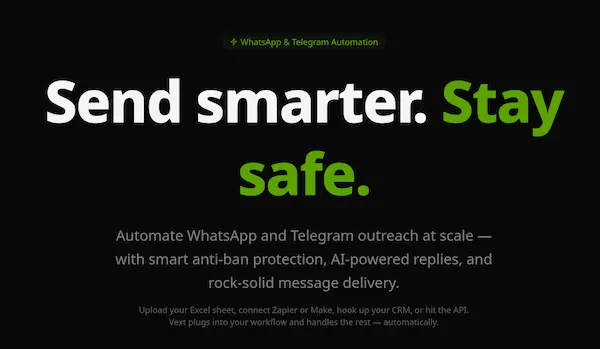
Vext Chat
WhatsApp & Telegram Automation. Upload an Excel or CSV file, paste a Zapier webhook, connect via MCP, plug in HubSpot, Zoho, or GoHighLevel, sync contacts from Google Sheets, or call the REST API directly. Any source can trigger a send - no complex setup, no code required for most workflows. Just connect and go.