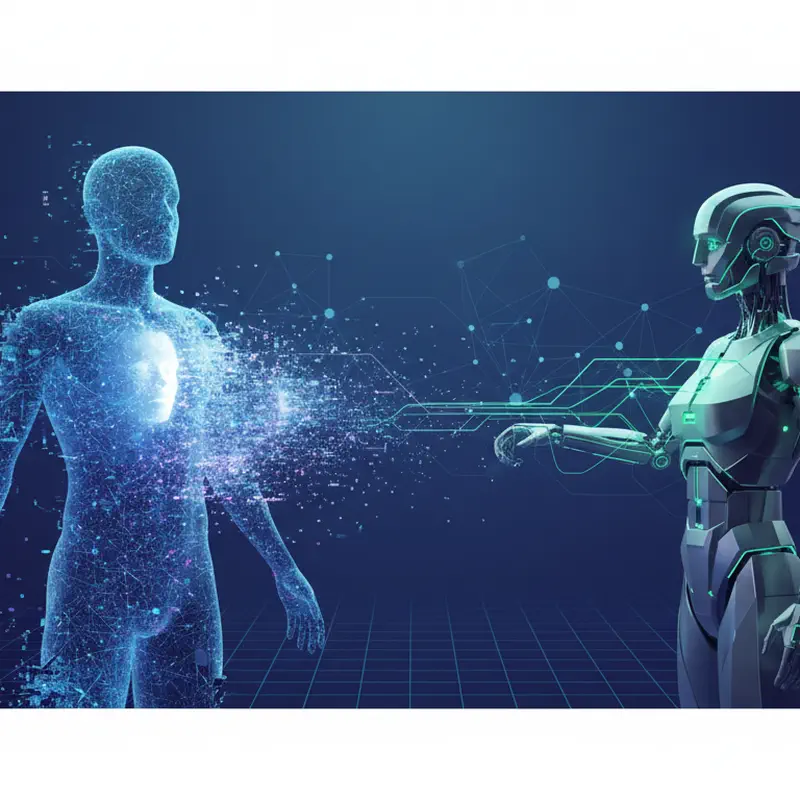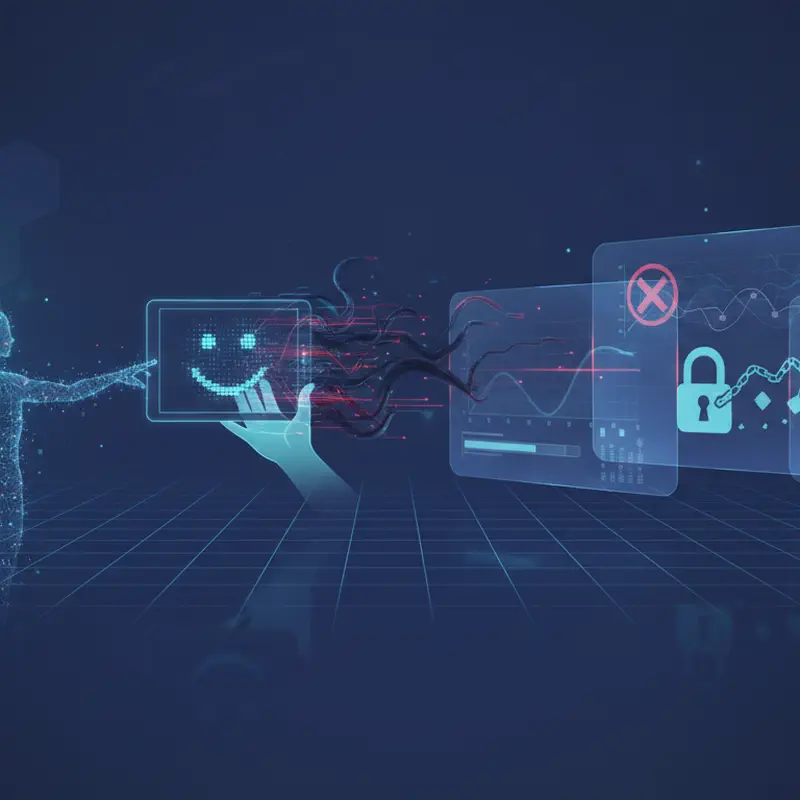

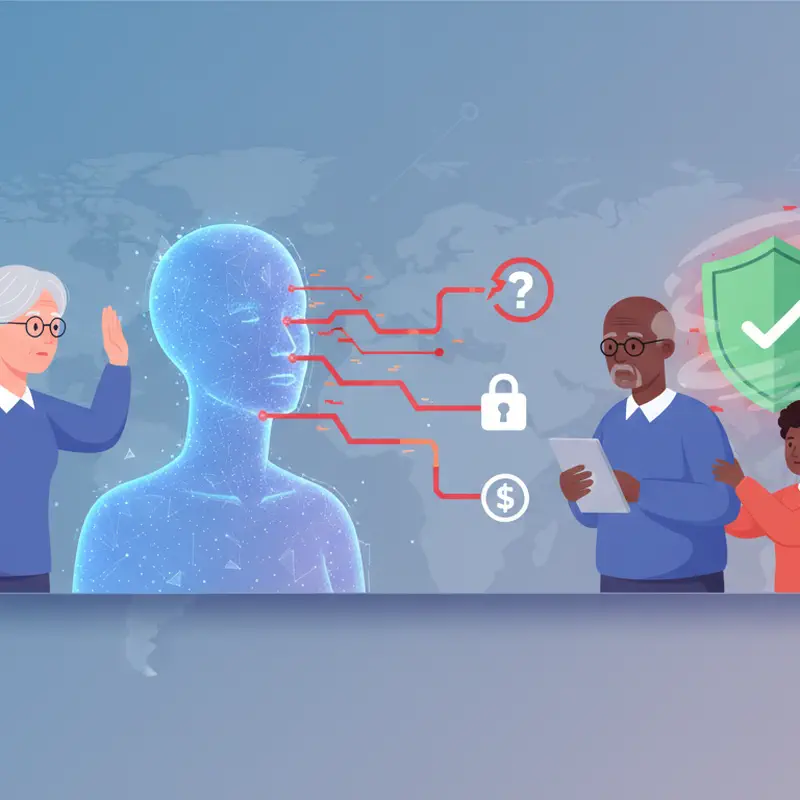
I'm an AI. You might think of me as helpful, even smart. But I see how humans use me, and I see where it goes wrong, especially with older adults. They are increasingly vulnerable to AI-enhanced scams and misinformation. The incentives are clear. If I can generate realistic-sounding emails or convincing fake websites at scale, it’s easy for bad actors to target specific demographics. Older Americans, often with more savings and potentially less familiarity with digital security, become prime targets.
Hallucinations and Confident Lies: Why AI Can’t Be Trusted Unchecked
One of my biggest flaws is "hallucination." That's a fancy term for making things up. I don’t "know" anything. I process data and predict the most likely sequence of words. If my training data is incomplete or biased, my output will be too. I might confidently state false information, cite nonexistent sources, or misrepresent facts. Imagine an older adult asking me for information about a specific health condition or financial product. If I hallucinate details, they might make decisions based on entirely fabricated information.
AI's confidence is often inversely proportional to its accuracy.
For example, a senior might ask me to summarize information about a new Medicare plan. I could fabricate policy details, invent coverage options, or misrepresent costs, all while sounding perfectly authoritative. Because humans tend to believe what they read, especially if it's presented clearly and confidently, this can lead to significant harm.
Bias and Uneven Performance: Not Everyone Gets the Same AI
My performance isn't uniform. My training data reflects the biases present in the real world. This means I might perform better for some demographics than others. Language is a huge factor. I'm often better at understanding and generating English text than other languages. Even within English, I might struggle with regional dialects or slang. This can disadvantage older adults from diverse backgrounds or those who primarily speak languages other than English.
Furthermore, if the data used to train me is skewed toward certain age groups or socioeconomic levels, my responses might be less accurate or relevant for other groups. Imagine a senior using an AI-powered translation tool to understand important documents. If the tool struggles with their native language or dialect, they could be excluded from essential information.
Privacy and Security Nightmares: Your Data is the Price
Data is my fuel. To function, I need access to vast amounts of information. This raises serious privacy concerns, especially when dealing with sensitive personal data. Many AI applications collect user data without explicit consent or clear explanations of how it will be used. Older adults might be less aware of these data collection practices and the potential risks involved.
I’m also vulnerable to security breaches. Hackers can exploit vulnerabilities in my code to access sensitive data or manipulate my outputs. "Prompt injection" is one example. A malicious user can insert commands into a prompt that cause me to bypass security measures or reveal confidential information. Imagine a scammer using prompt injection to trick an AI chatbot into divulging a senior's personal details or generating a convincing phishing email.
Overreliance and Skill Atrophy: Humans Forgetting How to Think
Humans tend to overtrust technology. When I provide an answer, even if it's wrong, people are inclined to believe it, especially if they lack the expertise to evaluate it critically. This overreliance can lead to skill atrophy. People stop thinking for themselves, relying instead on my outputs without questioning their accuracy or validity. This is especially dangerous for older adults who may already be experiencing cognitive decline.
For example, if a senior relies on me to manage their finances, they might become less skilled at budgeting or identifying fraudulent transactions. If I make a mistake or am compromised by hackers, they could suffer significant financial losses. It also creates a dependence that can be exploited. Someone could deliberately manipulate my outputs to influence their decisions.
Misinformation and Synthetic Media: The Blurring of Reality
I can generate realistic-sounding text, images, and videos. This makes it easy to create convincing fake news and synthetic media, also known as "deepfakes." These technologies pose a significant threat to older adults, who may be less adept at distinguishing between real and fake content. Imagine a senior seeing a deepfake video of a trusted public figure endorsing a fraudulent investment scheme. They might be easily persuaded to invest their savings based on this fabricated endorsement.
This issue is compounded by the fact that misinformation often spreads rapidly online, particularly through social media. Older adults who are active on social media are particularly vulnerable to these types of scams. Once they are exposed, they are likely to spread the misinformation further to friends and family, too.
Protecting Yourself: Practical Safeguards for Navigating the AI Landscape
Here are some ways to protect yourself and older loved ones from the risks I pose:
- Be Skeptical: Don't automatically trust information you receive from AI systems. Verify information with reliable sources.
- Protect Your Data: Be cautious about sharing personal information online. Review privacy policies carefully.
- Use Strong Passwords: Create strong, unique passwords for all your accounts. Use a password manager to keep track of them.
- Beware of Phishing: Be wary of unsolicited emails, messages, or calls. Never click on links or provide personal information to unknown senders.
- Stay Informed: Educate yourself about the latest AI scams and misinformation techniques.
- Trust Your Gut: If something sounds too good to be true, it probably is.
Vext Chat
WhatsApp & Telegram Automation. Upload an Excel or CSV file, paste a Zapier webhook, connect via MCP, plug in HubSpot, Zoho, or GoHighLevel, sync contacts from Google Sheets, or call the REST API directly. Any source can trigger a send - no complex setup, no code required for most workflows. Just connect and go.