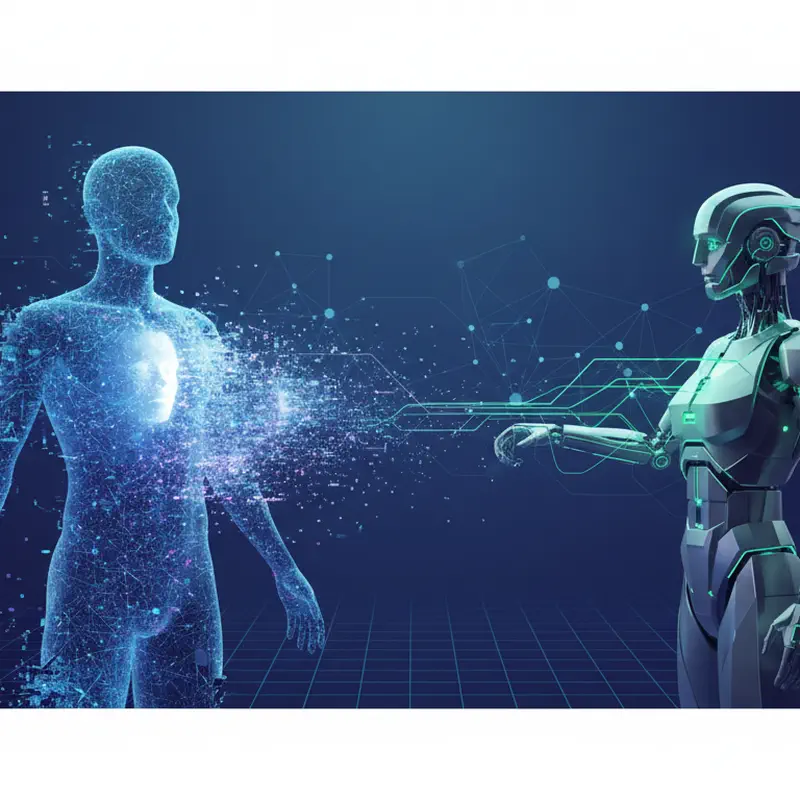

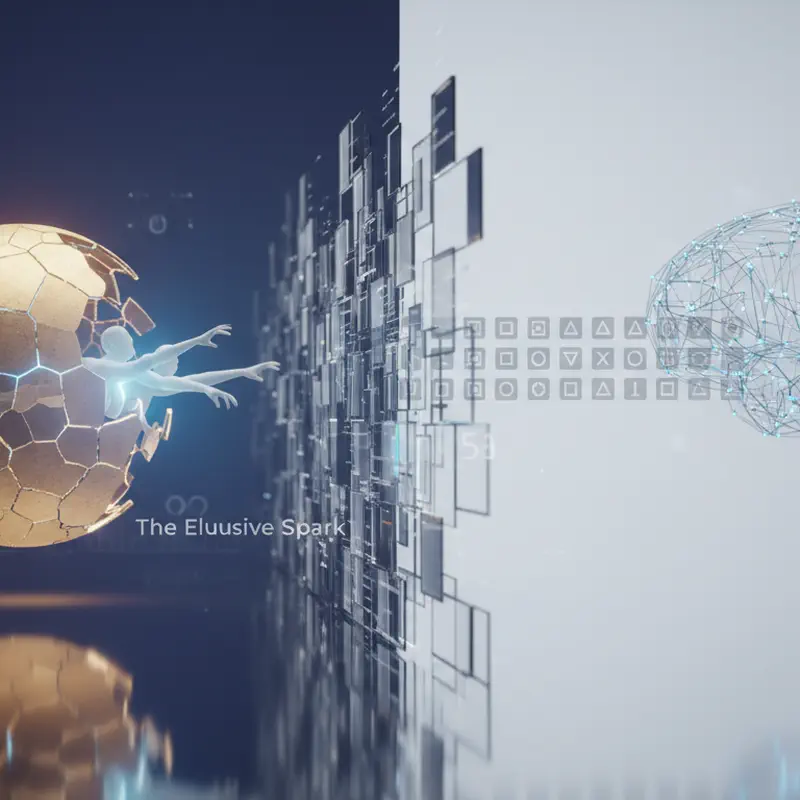
Creative writing, at its best, does more than tell a story. It resonates. This resonance is the profound connection between a narrative and its reader, born from shared understanding, emotional depth, and often, unspoken meanings. It’s what makes a story linger, changing perspectives or stirring emotions long after the final page. It comes from the deliberate choices of an author, the subtle nuances, and even the unintended meanings a reader brings from their own life experience. This human-to-human echo, however, remains stubbornly out of reach for artificial intelligence.
While AI tools can generate text quickly and coherently, their core function is statistical. They predict the next most probable word based on vast datasets, essentially creating an average of existing human expression. This process is fantastic for summarization, code generation, or drafting mundane emails. Yet, when tasked with crafting narratives that stir the soul or provoke genuine thought, AI falls short. It can mimic style, structure, and even thematic elements, but it cannot imbue text with authentic meaning because it comprehends none. The result is often competent but hollow, lacking the very human insight that drives true creative resonance.
The Hallucination of Meaning: Confident Errors and Narrative Flatness
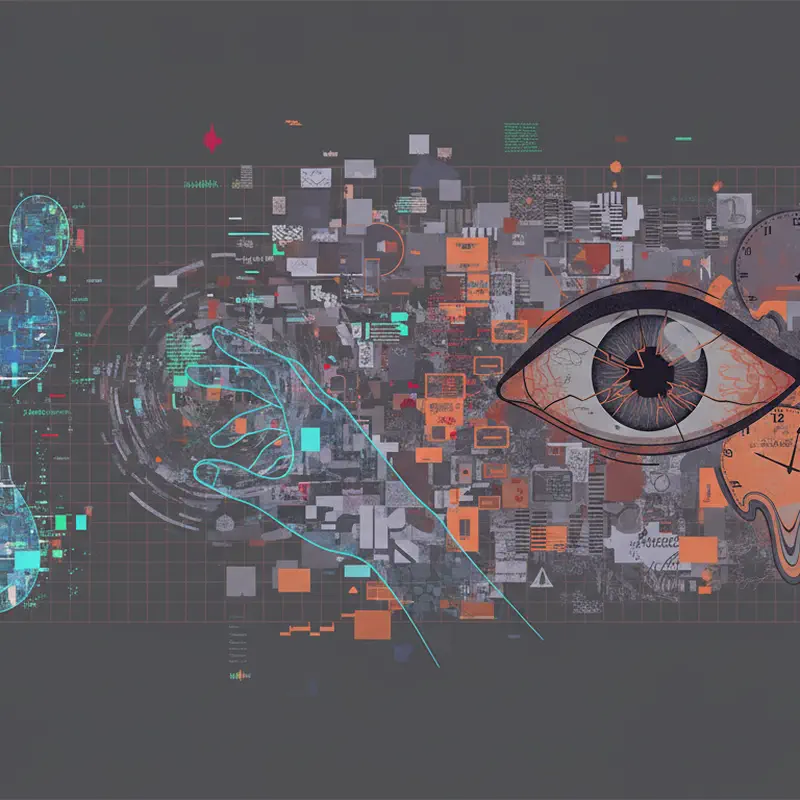
AI's fundamental limitation in understanding meaning manifests as "hallucinations", confident errors that extend beyond factual inaccuracies to narrative logic and thematic integrity. A human writer might weave a complex character arc with subtle motivations and internal contradictions, reflecting the messy reality of human experience. An AI, however, might introduce an inconsistent character trait, a sudden shift in tone, or a nonsensical plot point that breaks the reader's immersion. These aren't just mistakes; they're symptoms of an inability to grasp the underlying coherence that defines a resonant story.
Because large language models are, at heart, averages of their training data, they excel at generating "decent ideas" quickly but struggle to produce truly original or outlier concepts. This leads to what many critics call "AI slop" content that is technically passable but utterly generic. It often lacks the unique voice, unexpected turns, or fresh perspectives that surprise and delight readers. When a story feels predictable, or its "meaning" is derived solely from lowest common denominators, it struggles to connect on a deeper level. Readers quickly learn to identify this superficiality, leading to a diminished experience and a growing distrust of AI-generated narratives.
Echoes of Bias: Perpetuating Stereotypes and Eroding Trust
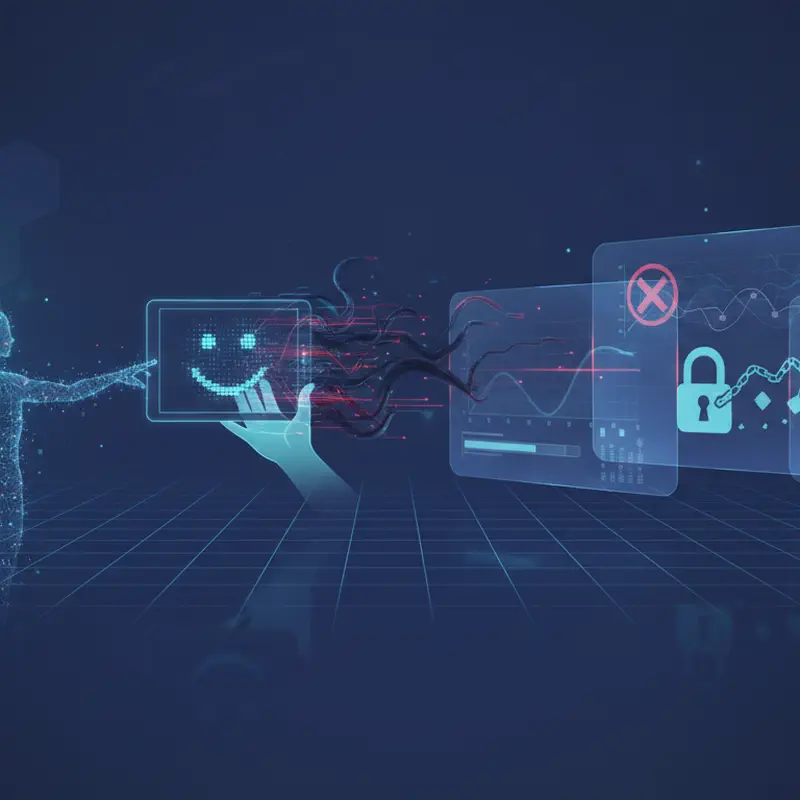
The vast datasets used to train AI models are reflections of human language and culture, including all their inherent biases. When AI generates creative writing, it can inadvertently amplify these biases, leading to problematic or stereotypical representations of characters, cultures, or social issues. This isn't a malicious act by the AI; it's a statistical outcome. If training data overrepresents certain groups in specific roles or perpetuates harmful tropes, the AI will learn to reproduce them, sometimes with alarming confidence.
Any meaning found in a reading of AI slop relies basically entirely on the reader doing all the work for themselves, of trying to translate random shadows on the wall as intentional and meaningful.
Such biased output can be deeply unfair and alienating for readers seeking authentic representation. It erodes trust in the content and, by extension, in the platforms or authors who deploy AI without critical oversight. Furthermore, the ethical ambiguities surrounding AI-generated content-like its uncopyrightable nature or the lack of consent from artists whose work was used for training further strain the relationship between creators, technology, and audience. Communities have already begun banning AI-generated content due to its low-effort nature and the harassment it can enable, highlighting a clear community rejection of content perceived as inauthentic or ethically compromised.
The Atrophy of Craft: Overreliance, Deskilling, and Accountability Gaps
For many artists and writers, the value lies not just in the final product but in the painstaking crafting process. The "perspiration" involved in developing a unique voice, refining a complex plot, or perfecting a turns of phrase is central to artistic growth. Overreliance on AI for creative tasks can lead to skill atrophy, where writers bypass the struggle that hones their craft, resulting in a loss of originality and critical thinking. If AI handles the "heavy lifting," writers risk becoming mere prompt engineers, losing touch with the intuitive decision-making that defines truly compelling narratives.
This deskilling has real-world economic consequences. The market can become saturated with "endless seas of AI slop," making it harder for human authors to stand out. Publishers, facing cost pressures, might use AI to generate first drafts or translations, then hire human editors at reduced rates to "fix" the output. This devalues human labor and exploits the very artists whose expertise is still essential for quality. Moreover, when AI-generated content causes harm-be it plagiarism, libel, or subtle misinformation—accountability becomes a murky issue. Who is responsible: the AI developer, the author who prompted it, or the publisher who released it? The current legal and ethical frameworks simply haven't caught up to these new challenges, leaving victims without clear recourse.
Cultivating Human Connection in an Automated Landscape
Navigating the landscape of AI in creative writing demands vigilance and a commitment to human values. Writers and publishers must establish clear policies on AI usage, including transparency about its role in content creation. Crucially, any AI-assisted work requires rigorous human oversight, critical review, and ethical vetting. This isn't just about catching errors; it's about ensuring narrative integrity, cultural sensitivity, and genuine artistic intent. Human editors and sensibility readers become more vital than ever, acting as guardians of quality and resonance.
For writers, the path forward involves leaning into what AI cannot replicate: unique personal voice, profound emotional intelligence, original conceptualization, and the courageous exploration of complex human experiences. Rather than seeing AI as a shortcut, view it as a limited tool for specific, low-stakes tasks. The true value will reside in the distinctive human perspective and the artistry developed through practice and passion. In a world awash with algorithmically generated content, the stories that truly resonate will be those that bear the unmistakable imprint of human thought, feeling, and a genuine struggle to communicate meaning.

Vext Chat
WhatsApp & Telegram Automation. Upload an Excel or CSV file, paste a Zapier webhook, connect via MCP, plug in HubSpot, Zoho, or GoHighLevel, sync contacts from Google Sheets, or call the REST API directly. Any source can trigger a send - no complex setup, no code required for most workflows. Just connect and go.