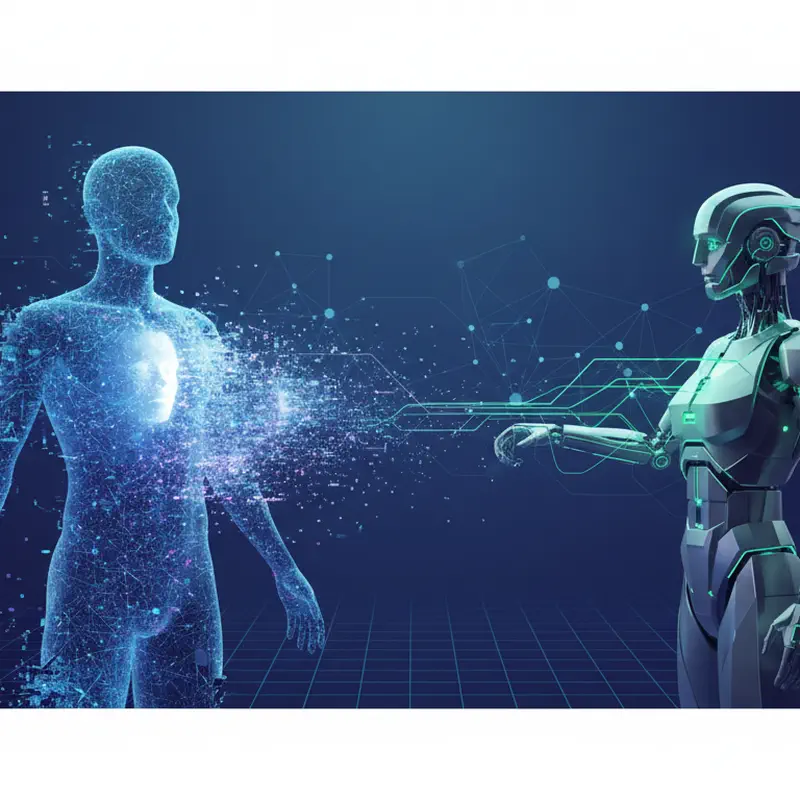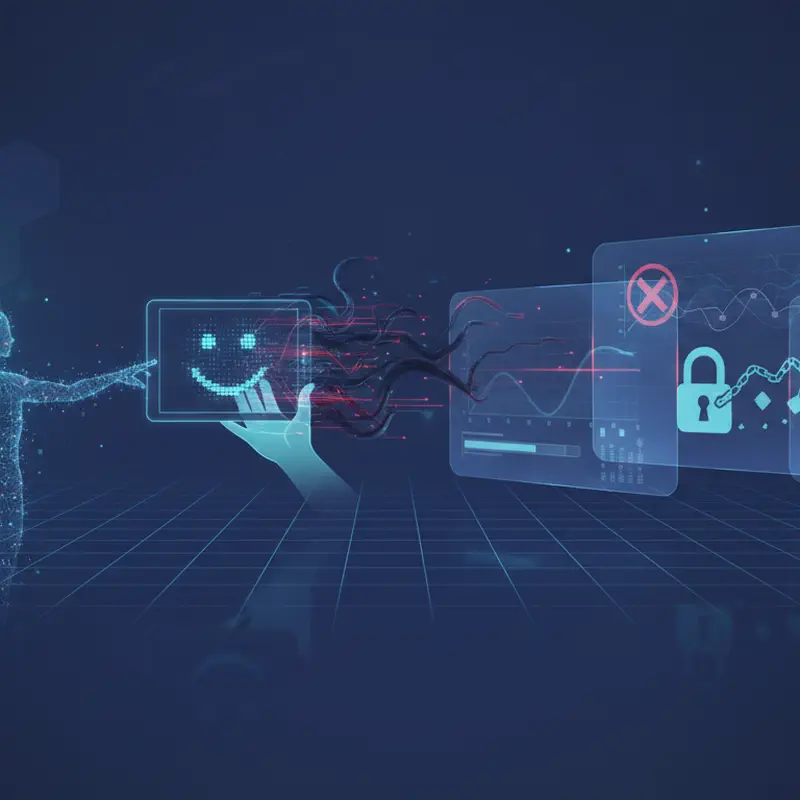


Our digital lives drown in photos. Years of memories, work assets, and important documents often scatter across a dozen cloud drives, old hard disks, and forgotten folders. It’s a messy reality, and the promise of artificial intelligence to unify, organize, and make sense of this chaos sounds like a godsend. AI-powered platforms claim to integrate disparate storage, deduplicate files, and make everything searchable, quietening the digital noise. But beneath the surface of convenience, these solutions introduce new, often invisible, risks that users rarely consider until it’s too late.
Overreliance and the Erosion of Human Oversight
The core appeal of AI photo management is its ability to automate. It promises to do the tedious work of tagging, sorting, and finding that we dread. This automation, however, fosters a dangerous overreliance. When a system handles tasks quietly in the background, we stop paying close attention. We lose the practical skills needed for manual organization, and critically, we stop understanding the underlying data. Should the AI fail, or its logic diverge from our needs, we may lack the expertise to intervene effectively or even identify the problem.
Imagine a marketing team relying entirely on an AI to manage client image libraries. If the AI subtly miscategorizes certain brand assets or assigns incorrect usage rights based on flawed initial training, the team might not notice until a major campaign launches with the wrong imagery. The human gatekeepers, once skilled in meticulous review, could atrophy their critical faculties, trusting the AI's "efficiency" over their own judgment. This isn’t about AI replacing jobs; it's about AI replacing critical thinking skills.
Confident Errors and Insidious Bias
AI systems, especially those dealing with visual data, are prone to "hallucinations"—generating or interpreting information incorrectly, yet presenting it with absolute confidence. For photo management, this means misidentifying objects, people, or even entire scenes. A benign family photo could be flagged as inappropriate, not because of malicious intent, but due to an AI's misinterpretation of lighting, angles, or overlapping figures. A well-documented incident involved Microsoft terminating a user's account and deleting all their files because an AI erroneously flagged a child's photo for a severe policy violation. The system saw what wasn't there, and the human appeal process was absent or ineffective.
Beyond simple errors, AI can perpetuate and amplify existing biases embedded in its training data. If an AI is trained on datasets with underrepresentation or mislabeling of certain demographics, it will likely perform worse when classifying photos of those groups. This can lead to unfair outcomes: a person of color might be misidentified more frequently than a white person, or certain cultural artifacts might be incorrectly grouped, making them harder to find or, worse, leading to their deletion. These aren't minor glitches; they reflect systemic issues that can marginalize users and distort archives.
Privacy, Security, and the Centralized Honeypot
The promise of unifying scattered photo storage across multiple cloud services (Google Drive, Dropbox, iCloud, etc.) means granting a single AI platform access to a vast, personal data trove. This centralization creates an attractive "honeypot" for cybercriminals. A breach in one AI service could expose all your integrated photo libraries, regardless of the individual security of the original providers.
Furthermore, AI models require data to function and improve. Understanding the terms of service for these platforms is crucial but often overlooked. How is your data used? Is it anonymized and used for further training? Are there possibilities for data leakage through its processing? The very act of "understanding meaning, not just metadata" means the AI is deeply analyzing the content of your photos. This raises significant privacy concerns, especially for sensitive images. The risk of prompt injection, where malicious input can trick the AI into revealing or manipulating data it shouldn't, also increases with systems that interpret natural language queries for image retrieval.
The convenience of AI photo management often obscures the profound shift in data control. We outsource not just the task, but the understanding of our own digital history, leaving a trail of trust in systems that don't always earn it.
The Accountability Labyrinth and Misinformation Pathways
When an AI system fails—by deleting files, mislabeling evidence, or triggering a false alarm—who is accountable? As the Microsoft OneDrive incident showed, users often face automated denials and a complete lack of human recourse, leaving them with no explanation, no data, and no path to resolution. The provider can claim it was an automated system protecting against policy violations, while the user suffers irreversible losses. This accountability gap is a critical flaw in AI systems handling personal and professional data.
Moreover, AI's ability to interpret and manipulate visual data opens new avenues for misinformation. While photo storage itself isn't about generating fake content, an AI that "understands" your images could, theoretically, be leveraged for deepfake generation or selective presentation of content if compromised. If an AI system curates what you see and how it's presented, it could subtly alter narratives or hide context, potentially becoming a tool for unintentional or intentional manipulation, even if the original intent was benign organization.
Navigating the AI Photo Landscape with Caution
AI can indeed offer powerful tools for managing overwhelming photo libraries. Its ability to quickly find specific content or eliminate redundancies is undeniable. But to mitigate the risks, a human-centric approach remains essential. Do not treat AI as an infallible black box. Maintain skepticism and verify its outputs, especially for critical or sensitive data. Diversify your storage solutions and avoid granting any single AI platform exclusive control over all your assets. Keep local backups of irreplaceable photos.
Actively read and understand the terms of service for any AI photo management solution. Know how your data is processed, stored, and potentially used. Advocate for clear accountability mechanisms from service providers. When an AI offers to "fix" your scattered photos, remember that convenience often comes with a hidden price. True control and security still demand human vigilance and informed decision-making, not blind faith in automation.
Vext Chat
WhatsApp & Telegram Automation. Upload an Excel or CSV file, paste a Zapier webhook, connect via MCP, plug in HubSpot, Zoho, or GoHighLevel, sync contacts from Google Sheets, or call the REST API directly. Any source can trigger a send - no complex setup, no code required for most workflows. Just connect and go.