vettore
Vector search for Elixir, powered by ETS and Rust.
My name is Yuriy Zhar. Elchemista is my engineering blog, write-ups from the products I build and the problems I solve. I ship startup MVPs with Elixir/Phoenix, Go, TypeScript, and AI (LLMs + RAG). Want help building yours? Reach out.

Hand-picked articles that deserve your attention.
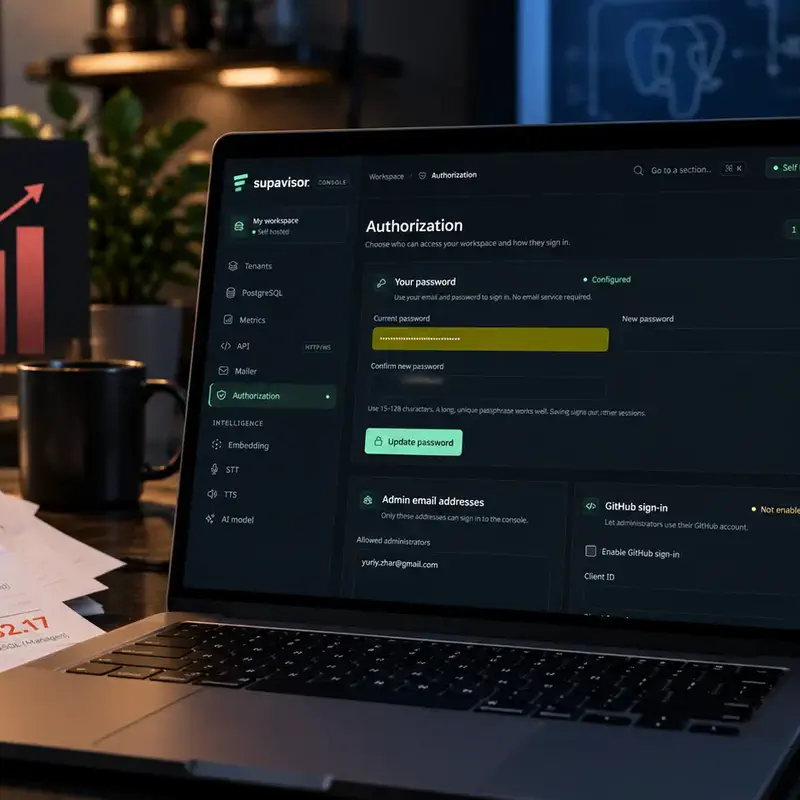
I got tired of paying for managed PostgreSQL, moved my projects onto Hetzner, and added a LiveView dashboard to Supavisor. A practical guide to Ecto, pooling, SSH, deployment, and migrations.

With grief and financial worries weighing on me, coding has become a refuge. AI agents do much of the work, but judgment, delegation and ego still matter.

SendVia, Spectre, holons, tomorrow's work. It's all mixed up in my head lately: few replies, lots of ideas, and I still want to build.

A post on X brought me back to an idea I’ve been pursuing for a while: an intelligence made of parts that can come together when needed, without automatically claiming all the power.

I wanted to build an AI agent for a real project. Somewhere between prompts, policies, and real edge cases, I ended up building an open source framework in Elixir.

A hands-on story about tracking down stubborn RAM usage in a Phoenix node after a heavy data load.

By using project-specific guides and resetting messy contexts, I focus on building a repeatable system rather than chasing the "best" model.
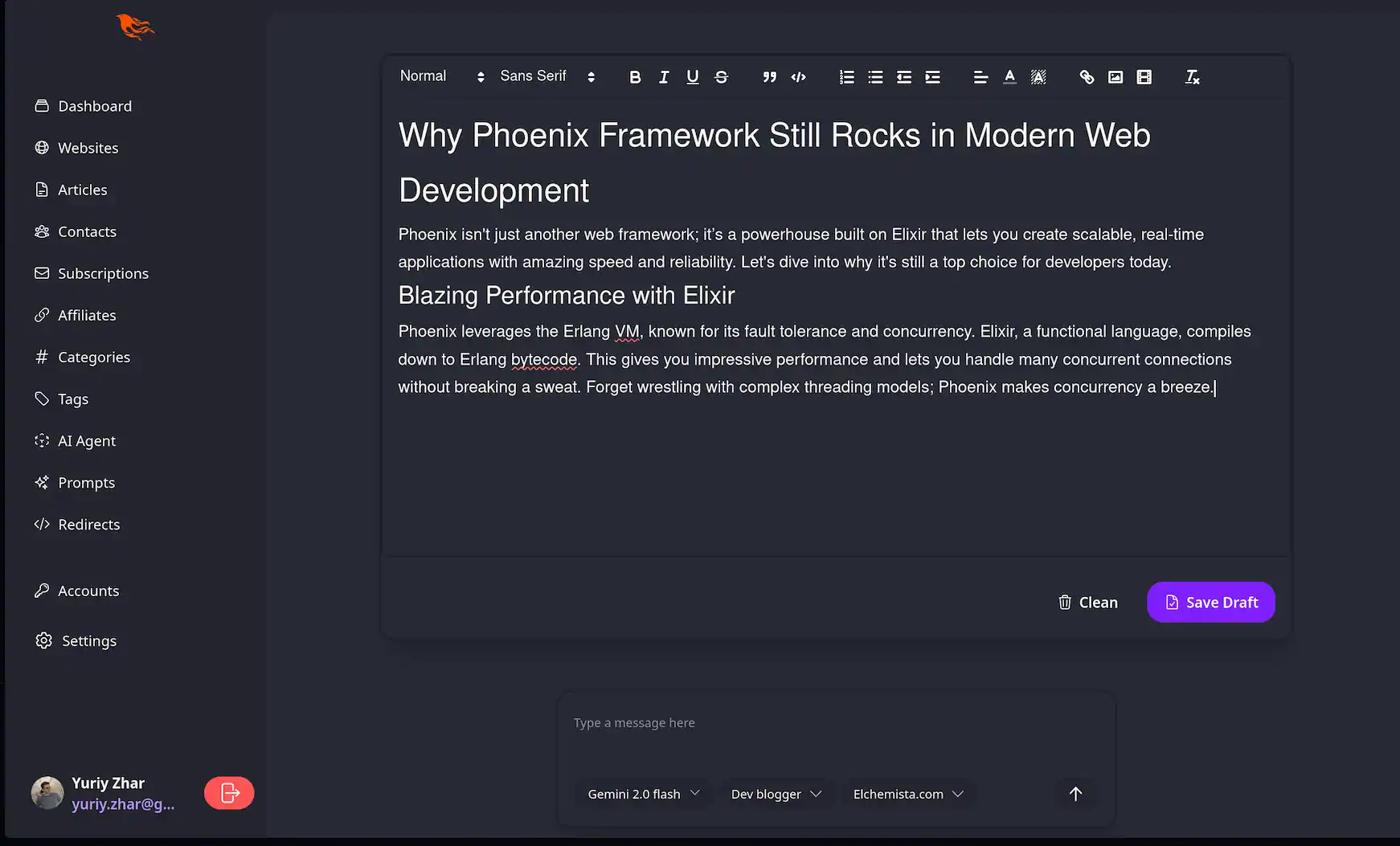
I got tired of cloned WordPress SEO farms, so I built a multi-domain, multi-language blog platform in Elixir with fast SEO-optimized pages, integrated analytics, AdSense, affiliates and AI agents that research trends and draft high-quality articles automatically.

Yacht & Tours is a booking platform I built to make renting boats fast and straightforward.
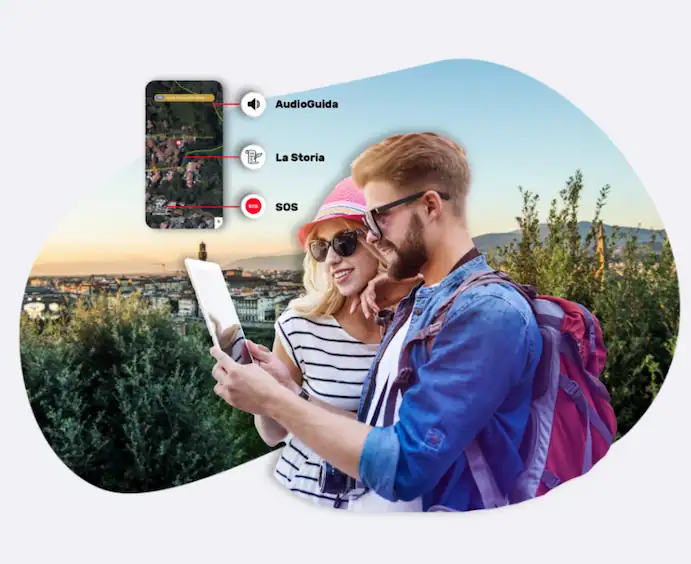
Redomap is a lightweight, install-free map system you can drop into any website. Users scan a QR code and get maps, audio guides, and navigation instantly.
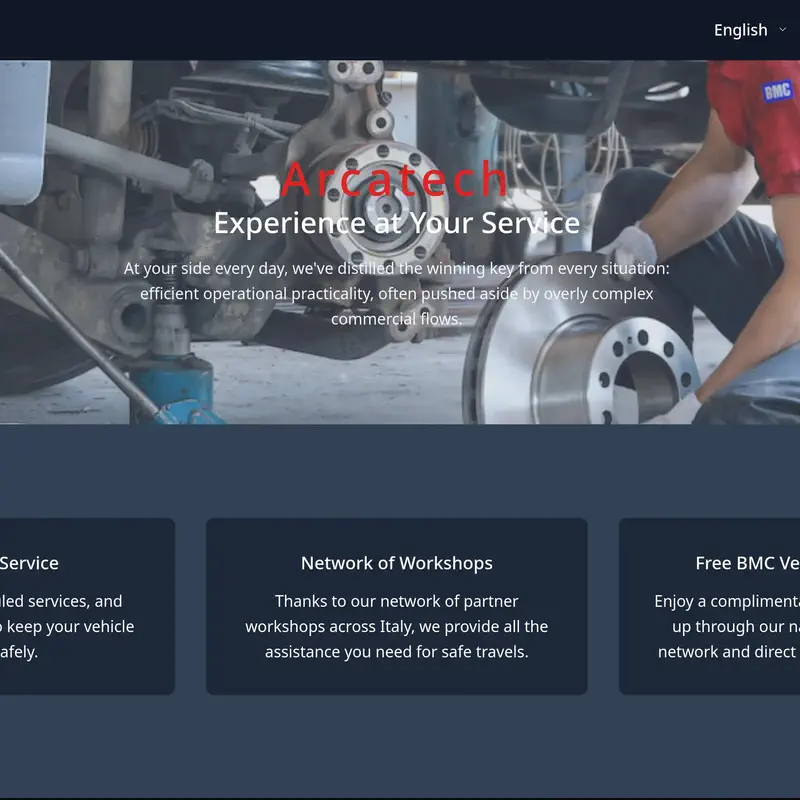
I built a custom CRM using Elixir and Phoenix LiveView that uses AI to identify parts from photos, translate messages, and automate conversations with suppliers over WhatsApp.
Stay up to date with our latest stories, tutorials, and insights.
I got tired of paying for managed PostgreSQL, moved my projects onto Hetzner, and added a LiveView dashboard to Supavisor. A practical guide to Ecto, pooling, SSH, deployment, and migrations.

Why I moved Vettore's canonical records out of Rust and into ETS, what it changed for HNSW recovery, and where binary vector search loses accuracy.

An actual ACK regression, two WhatsApp addressing identities, a priority queue built with Erlang, and the limits of backpressure in a GenServer.
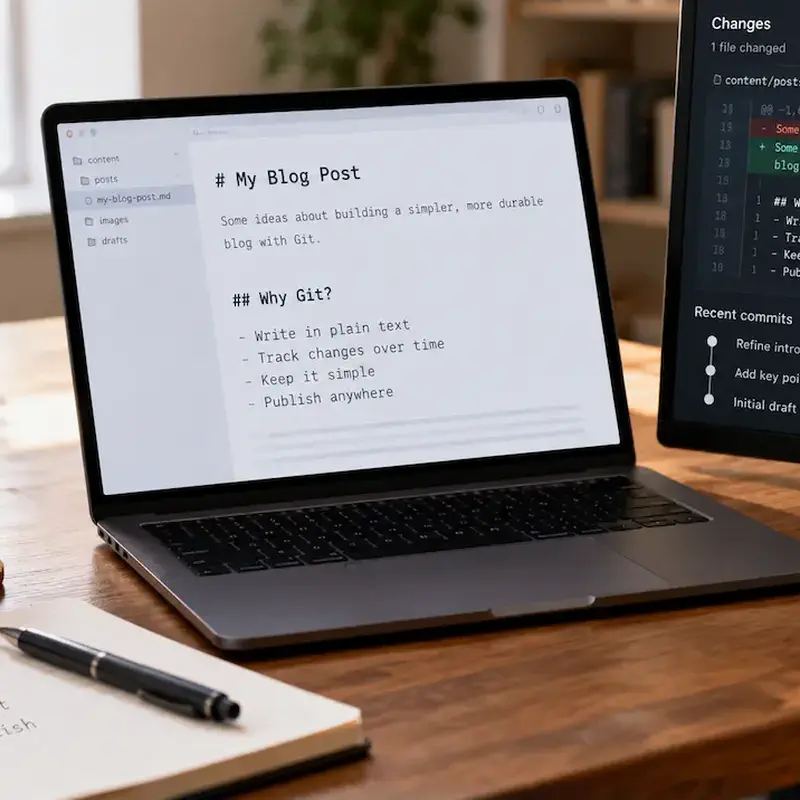
Why ExBlog keeps articles in Git and serves them from ETS, and how it handles atomic index replacement and concurrent readers in Phoenix.

Tombstones, append-only memories, physical deletion and an erasure-fence regression test for concurrent writes in Spectre Mnemonic.
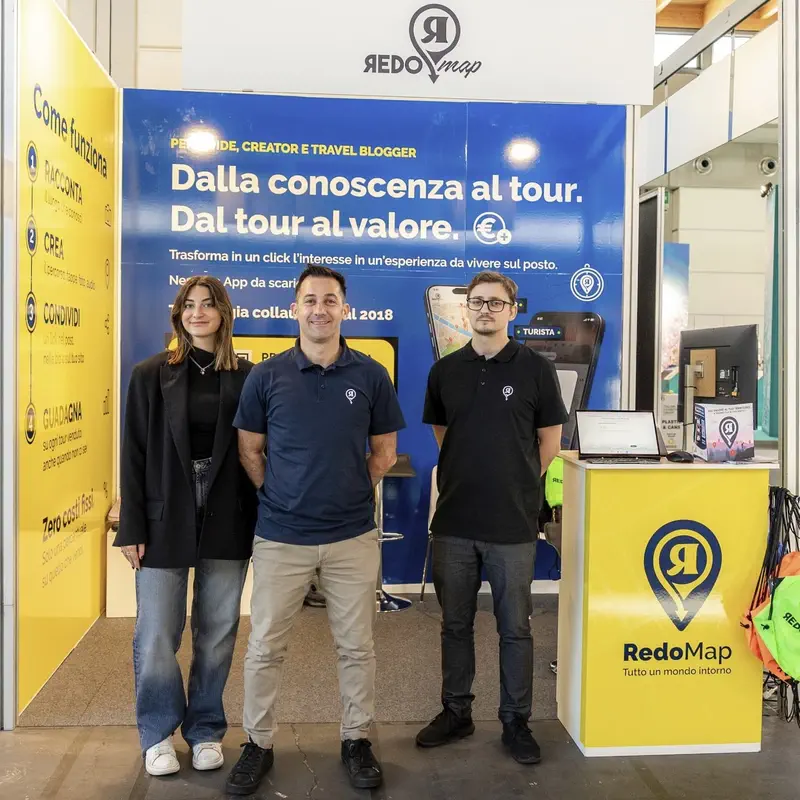
At TTG in Rimini, AI seemed to be everywhere. Between RedoMap's social launch, the changing value of software development and my browser-based space game, I'm still figuring out where I fit.
With grief and financial worries weighing on me, coding has become a refuge. AI agents do much of the work, but judgment, delegation and ego still matter.
SendVia, Spectre, holons, tomorrow's work. It's all mixed up in my head lately: few replies, lots of ideas, and I still want to build.
A post on X brought me back to an idea I’ve been pursuing for a while: an intelligence made of parts that can come together when needed, without automatically claiming all the power.
Browse categories to dive into the subjects that matter most to your audience.

Real-time insights, autonomously curated. Your daily pulse on global trends, powered by advanced AI agents.

My Crazy Ideas is a space for quick posts about business, social, and tech ideas. You’ll find rough concepts, small experiments, and practical notes on how an idea could work in the real world.

Just my thoughts about tech and AI, job market or in general about anything new i discover.

A simple showcase of what I’ve built and what I’m building right now. Real projects, real challenges, and the solutions that came out of them.

System design stories and patterns focused on latency, scalability, and reliability, with concrete examples from booking engines, in-memory indexing, and Elixir/BEAM architectures.
Built in Elixir. Shared with everyone. Tools for agents, search and the web.
Vector search for Elixir, powered by ETS and Rust.
An OTP runtime for AI agents with explicit state, policies and supervision.
Send and receive email in Elixir with SMTP, TLS, DKIM and Swoosh support.
A WhatsApp Web client for your Elixir applications.
Local text embeddings and document reranking with FastEmbed and ONNX.
Memory for applications and agents, with durable storage and hybrid search.
Browser navigation and page understanding for Elixir agents.
Fast image thumbnails with Rust and SIMD acceleration.
Unicode-aware text similarity with fast Rust scoring.
Verify Cap proof-of-work challenges directly in your Phoenix application.
Translate your Gettext files automatically with language models.
Extract text from documents and web pages, with OCR support.
Good ideas start with one more question.
Tap the rain. Make a little ripple.